Why One Honest UGC Video Beats 10 Promotional Ads
We Advertise >> UGC VIDEOS>> Why One Honest UGC Video Beats 10 Promotional Ads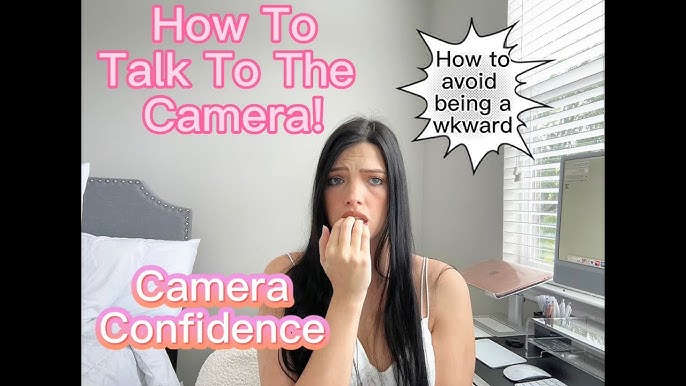
Why One Honest UGC Video Beats 10 Promotional Ads
For years, brands believed one thing:
More polish = more trust.
More budget.
More actors.
More scripting.
More perfection.
But something unexpected happened.
Despite spending lakhs on high-production ads, brands started seeing:
- Falling engagement
- Rising ad fatigue
- Lower conversion rates
- Audiences skipping ads within seconds
At the same time, a completely different type of content started winning.
A shaky phone video.
A real person.
Natural expressions.
Honest words.
And suddenly, one honest UGC video began outperforming 10 promotional ads combined.
This isn’t a coincidence.
It’s a shift in how humans consume content and make decisions.
Let’s break down why this happens.
The Trust Crisis in Advertising
Modern audiences are not anti-ads.
They are anti-manipulation.
Today’s viewers instantly recognize:
- scripted dialogues
- forced smiles
- unnatural product placements
- overused marketing language
The human brain processes visual trust in milliseconds.
When an ad looks too perfect, the brain labels it as:
“This is selling something. Guard up.”
That single mental trigger is enough to kill conversions.
Promotional ads talk at people.
UGC talks with people.
And that difference changes everything.
Honest UGC Feels Like Advice, Not Advertising
Think about how people actually make buying decisions.
They don’t trust brands first.
They trust people like themselves.
UGC works because it feels like:
- a friend sharing an experience
- a genuine review, not a pitch
- a personal story, not a script
When someone watches an honest UGC video, they don’t feel sold to.
They feel informed.
That psychological shift—from “they’re advertising” to “they’re sharing”—is why one UGC video can outperform multiple promotional ads.
Imperfection Signals Authenticity
In traditional marketing, imperfections were mistakes.
In UGC, imperfections are proof.
Slight pauses.
Nervous smiles.
Unpolished lighting.
Real reactions.
These signals tell the viewer:
“This is real. This person isn’t acting.”
Ironically, when brands remove these imperfections, they remove trust.
An honest UGC video doesn’t try to be impressive.
It tries to be believable.
And believability sells more than beauty ever will.
Promotional Ads Suffer From Attention Decay
Audiences today are exposed to thousands of ads every day.
So when they see:
- studio lighting
- brand logos in the first second
- sales-heavy hooks
Their brain already knows what’s coming.
Skip.
Scroll.
Ignore.
UGC interrupts this pattern.
A real face.
A natural setting.
A conversational tone.
It doesn’t look like an ad, so the brain doesn’t treat it like one.
That’s why UGC often gets:
- higher watch time
- better retention
- stronger engagement
And those signals push performance across platforms.
One Strong Story Beats Ten Loud Messages
Promotional ads focus on features.
UGC focuses on experience.
Instead of:
- “Our product has 10 features”
UGC says: - “This is how it actually helped me”
Human brains are wired for stories, not specifications.
When someone shares:
- a struggle
- a moment of doubt
- a genuine outcome
The viewer emotionally connects.
Ten promotional ads repeating benefits cannot create the same emotional bond that one honest story can.
UGC Reduces Skepticism Automatically
The biggest challenge in advertising isn’t awareness.
It’s skepticism.
Viewers assume brands exaggerate.
UGC removes that assumption.
Why?
Because the messenger is not the brand.
A creator saying:
“This worked for me”
feels safer than
“This is the best product ever”
UGC doesn’t eliminate doubt completely—but it lowers resistance enough for action to happen.
That’s the difference between:
- watching
- and buying
Algorithms Favor Real Human Engagement
Platforms don’t just track views.
They track:
- watch duration
- replays
- comments
- saves
- shares
UGC naturally generates these behaviors because it feels relatable.
Promotional ads often struggle to keep viewers engaged past the first few seconds.
When one UGC video performs well organically, platforms reward it with:
- lower CPC
- higher reach
- better ad delivery
So it’s not just human psychology—platform algorithms also favor honest content.
One Honest Video Creates Long-Term Impact
Promotional ads are disposable.
They run.
They stop.
They disappear.
A good UGC video:
- can be reused across ads
- repurposed for social media
- shared organically
- referenced in comments
- used as social proof
Its value compounds over time.
That’s why brands increasingly prefer fewer high-quality UGC videos over dozens of expensive promotional creatives.
Why Skills Matter More Than Equipment in UGC
Creating an honest UGC video doesn’t require:
- expensive cameras
- studios
- professional actors
It requires:
- understanding human behavior
- storytelling skills
- natural communication
- emotional awareness
This is why UGC creation is becoming a high-value skill, not just a content trend.
Those who learn how to create honest, relatable videos will always outperform those who rely only on production quality.
Final Thoughts: Less Selling, More Truth
The future of advertising is not louder.
It’s truer.
Brands don’t need more ads.
They need better stories.
Creators don’t need perfection.
They need authenticity.
And that’s why, in today’s attention economy:
One honest UGC video will always beat 10 promotional ads.
Not because it’s cheaper.
Not because it’s trendy.
But because humans trust humans—
and honesty still wins.